
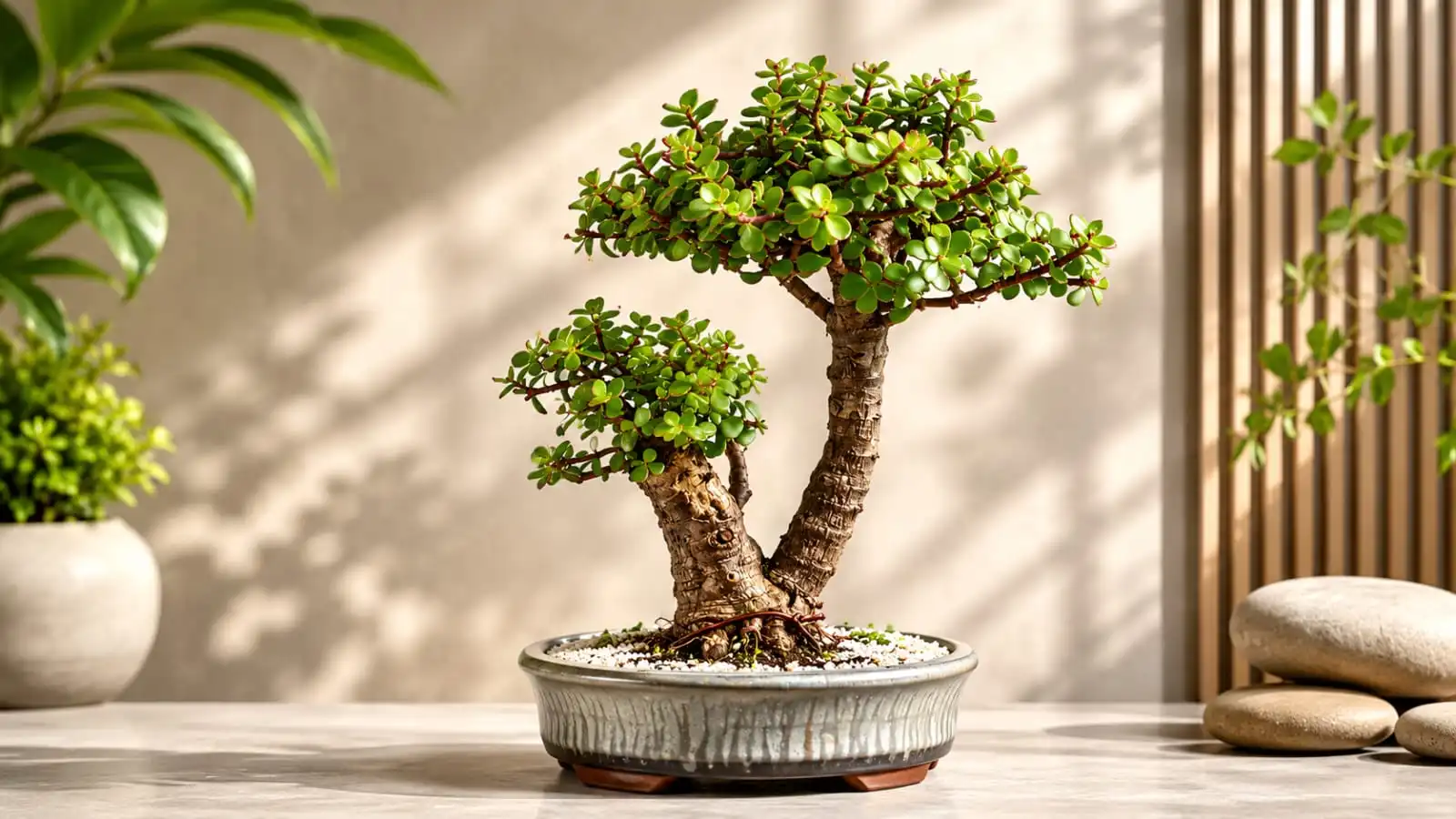
Why Jade Bonsai Has Become So Popular in Pakistan
A few years ago, bonsai was considered a luxury item — something only serious collectors kept. But in 2026, that has completely changed. More and more people in Pakistan are buying jade bonsai for their homes, offices, and even as gifts. And there is a good reason for that.Jade bonsai is one of the few plants that actually suits Pakistan's climate. Our summers are harsh, humidity varies a lot, and most delicate plants simply do not survive. Jade bonsai — whether it is the classic Crassula ovata or the Portulacaria afra (dwarf jade) — is tough. It stores water in its thick trunk and leaves, handles heat better than most indoor plants, and keeps looking beautiful with very little maintenance.On top of that, jade bonsai genuinely improves with age. A 20-year-old jade bonsai looks dramatically more impressive than a 5-year-old one. This is what makes it both a plant and an investment.
If you are looking for jade bonsai price in Pakistan, you have come to the right place.
What Is the Price Range of Jade Bonsai in Pakistan in 2026?
Let us get straight to the point. Here is a realistic price breakdown based on what is available in the Pakistani market right now: Jade Bonsai Price in Pakistan 2026 Ranges between:
3 to 5 years Rs. 10,000 – Rs. 25,000
8 to 10 years Rs. 25,000 – Rs. 55,000
12 to 15 years Rs. 55,000 – Rs. 1,00,000
18 to 25 years Rs. 1,00,000 – Rs. 2,50,000 30+ years (collector grade) Rs. 2,50,000 – Rs. 5,00,000+
These are honest market prices for 2026. You will find cheaper options sometimes, but do read further — price alone should never be the deciding factor. If you are looking for jade bonsai Price in Pakistan 2026 you can visit more.
Jade bonsai price in Pakistan varies depending on the age, trunk thickness, and style of the tree.
What Factors Actually Decide the Jade Bonsai Price in Pakistan 2026?
This is the part most buyers overlook. Jade bonsai price in Pakistan 2026 is not random — it depends on very specific things. Once you understand these, you will never buy blindly again. In 2026, jade bonsai prices in Pakistan range from Rs. 10,000 to Rs. 5,00,000.
Age of the Tree
Age is the single biggest factor. Bonsai is a slow art. A 20-year-old jade bonsai has been watered, pruned, shaped, and trained for two decades. That time, effort, and patience is what you are paying for. A young plant might look similar in a photo, but in person the difference is obvious — the trunk is thinner, the roots are not as developed, and it lacks that heavy, natural presence.Understanding jade bonsai price in Pakistan helps you make a smarter buying decision.So Jade bonsai price in Pakistan 2026 mainly depends on tha age of tree.
Trunk Thickness (Caudex)
In the bonsai world, trunk girth matters a lot. A thick, heavy trunk — sometimes called a fat caudex — means the tree has been growing for years and has stored a lot of energy. A thick trunk also makes the tree look more like a full-sized tree in miniature, which is the whole point of bonsai. When you compare two jade bonsai plants of the same age, the one with a thicker trunk will always cost more. And rightfully so.Many buyers search for jade bonsai price in Pakistan without knowing what actually affects the cost. Jade bonsai price in Pakistan also depends on trunk thickness.
Trunk Shape and Character
A straight trunk is ordinary. A twisted, gnarled, or naturally curved trunk is something special. These shapes develop over decades and cannot be faked or rushed. Collectors in Pakistan and around the world pay a premium for unusual trunk movement because it makes the tree look ancient and wild — even when it is sitting on your windowsill.
The most common question we receive is about jade bonsai price in Pakistan — and the answer depends on several factors. Shaping a Jade bonsai is really artistic so Jade bonsai price in Pakistan very much related ti its shape.
Root Spread (Nebari)
Nebari is the Japanese term for the visible surface roots at the base of a bonsai. A jade bonsai with a beautiful root spread looks dramatically more impressive and "grounded." It is a sign of age, proper repotting, and skilled cultivation. If you see a jade bonsai with visible, spread-out roots at the base, expect the price to reflect that. Jade Bonsai price in Pakistan is very much dependent on Nebari.
Pot and Presentation
The pot matters more than people think. A high-quality ceramic bonsai pot — especially a handmade or imported one — can add Rs. 5,000 to Rs. 20,000 to the final price. A cemented pot with a natural finish also adds to the overall value and presentation.
Style of Training
Has the jade bonsai been trained into a specific bonsai style? Common styles like informal upright, slanting, or cascade take years of deliberate shaping with wire and careful pruning. A well-styled jade bonsai takes more skill to produce and naturally costs more.
Jade bonsai price in Pakistan depends on the styling of the tree too.
Easy Care Jade Bonsai vs. Premium Collector Grade — Which One Should You Buy?
Jade Plant vs. Dwarf Jade (Portulacaria Afra) — Price Difference in Pakistan
You will notice that in Pakistan, two plants are sold under the "jade bonsai" label. Let us clear this up because it does affect price.
Crassula ovata
This is the classic jade plant. It has larger, rounder, thicker leaves and a more dramatic trunk. It grows slower, which means older specimens are rarer and more expensive.
Portulacaria afra (Dwarf Jade)
This is what most sellers in Pakistan call jade too. It has smaller leaves, a lighter green color, and grows faster. It is excellent for bonsai styling and is very forgiving for beginners. Because it grows faster, it is generally more affordable at a younger ages. Both are beautiful. Both do very well in Pakistan's climate. If you are on a budget, Portulacaria afra gives you excellent value. If you want the classic, more dramatic look, go for Crassula ovata — just be ready to pay a premium for a mature specimen.
How to Spot a Healthy Jade Bonsai Before Buying
Price means nothing if the plant is not healthy. Here is what to check before spending your money:
Check the leaves
They should be firm, plump, and full. Wrinkled or soft leaves mean the plant is dehydrated or stressed. Yellowing leaves can indicate overwatering or root problems.
Check the trunk
Press gently. A healthy jade bonsai trunk should feel firm. Soft or spongy areas are a serious warning sign and can indicate rot inside.
Check the roots
Ask to see the base. Roots should be firmly in the soil. If roots are coming out of the drainage holes excessively and the plant looks root-bound in a tiny pot, that is fine — it just needs repotting. But if the roots look dark, mushy, or rotten at the surface, walk away.
Check the soil
Jade bonsai needs well-draining soil. If the soil feels like regular garden mud and holds water like clay, the plant is at risk of root rot. Good jade bonsai soil has grit or sand mixed in.
Check for pests
Look under the leaves and along the stem joints. Mealybugs look like small white cottony spots. Scale insects look like tiny brown bumps. Both are treatable, but factor in the effort if you see them.
Fake Jade Bonsai — A Real Problem in Pakistan
In 2026, with online plant selling booming in Pakistan, there are sellers who misrepresent plants. Here is what to watch out for:
Young plant sold as old
A seller may claim a 3-year-old jade is 10 years old to justify a higher price. Look at the trunk thickness. You genuinely cannot fake decades of trunk growth.
Unhealthy plant at premium price
Pest damage, rot, or weak growth does not disappear with a good-looking pot. Do not let presentation distract you from the plant's health.
Wrong plant entirely
Some sellers sell regular jade cuttings or even unrelated succulents labeled as "jade bonsai." A real jade bonsai has a woody trunk, visible training, and age to it — not just a cutting in a decorative pot.
Is Jade Bonsai a Good Gift in Pakistan?
Absolutely. In fact, jade bonsai has become one of the most meaningful gifts you can give in 2026. Unlike flowers that fade in days, a jade bonsai keeps growing for years sometimes outliving its owner. It is particularly popular as a gift for: Housewarming — A jade bonsai looks beautiful in any living room or entrance. Corporate gifting.
A premium jade bonsai in a cemented or ceramic pot makes an impressive and unique corporate gift. on Wedding or anniversary gifts.
A mature jade bonsai symbolizes longevity and prosperity, making it perfect for couples. If you are gifting a jade bonsai, invest a little more and get a mid-range or premium piece. A well-presented bonsai in a good pot leaves a lasting impression.
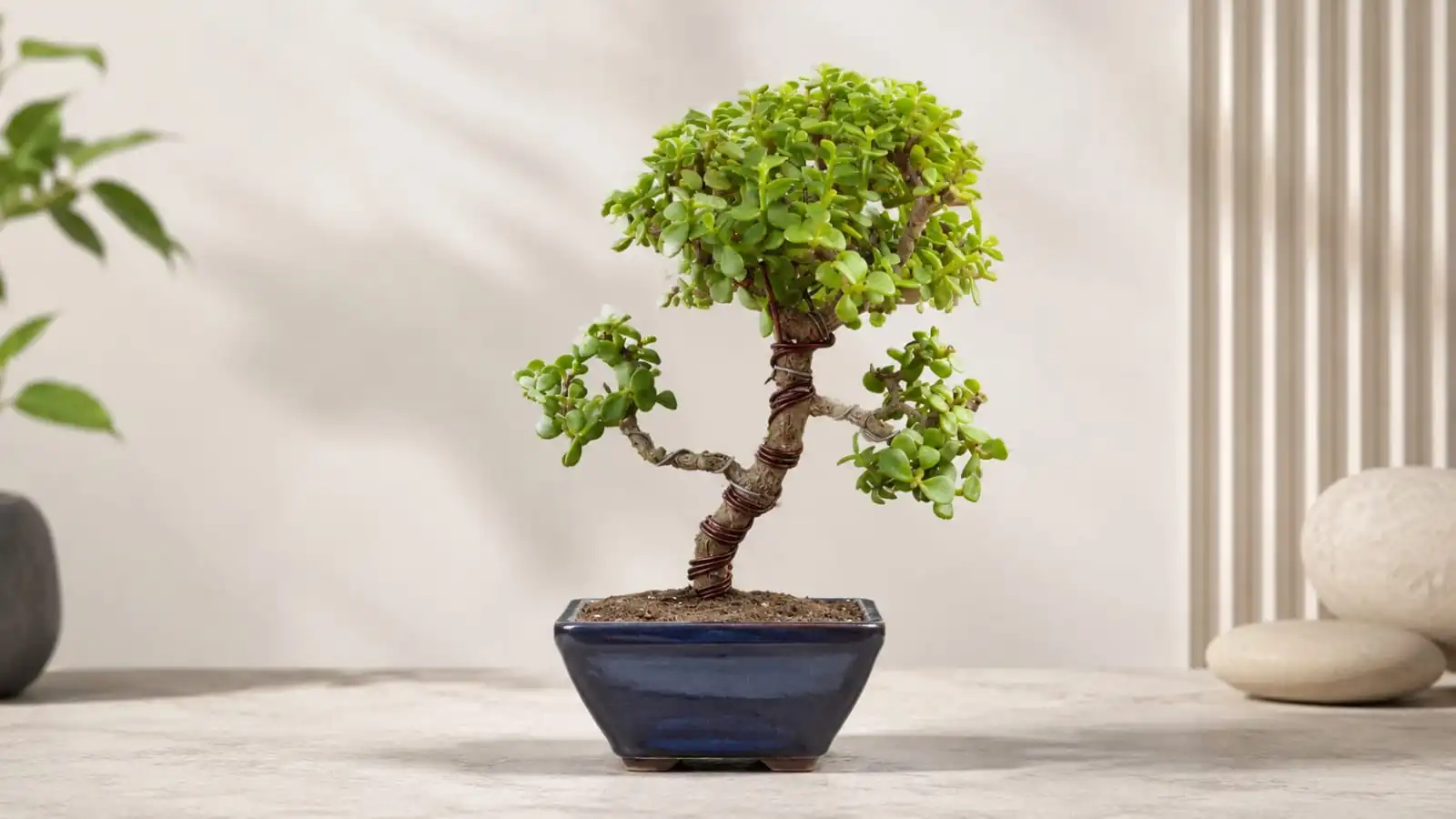
Where Should You Buy Jade Bonsai in Pakistan?
With so many options in 2026 — Facebook, OLX, Instagram sellers, nurseries, and online plant stores — the question of where to buy is important.
Dedicated bonsai sellers are always preferable over general nurseries. A bonsai specialist understands the plant's history, care requirements and can answer your questions properly.
Delivery matters — Jade bonsai is robust but still needs careful packing for shipping. Ask how the plant will be packaged before ordering. When buying from a trusted source, you also get after-sales support — someone you can ask about watering, repotting, or any issue that comes up. That kind of guidance, especially for first-time buyers, is genuinely valuable.
Quick Jade Bonsai Care Tips for Pakistan's Climate
Since you are investing good money, let us make sure your jade bonsai thrives:
Sunlight
Jade bonsai loves bright light. A south or east-facing window is ideal. In Pakistan's summers, avoid harsh afternoon direct sun as it can burn the leaves.
Watering
Less is more. Water only when the top inch of soil feels dry. In summer, this might be every 2 to 3 days. In winter, once a week or even less. Overwatering is the most common mistake.
Temperature
Jade bonsai handles Pakistan's heat very well. However, protect it from extreme cold below 5°C, which can damage the roots.
Fertilizer
Feed once a month during spring and summer with a diluted liquid fertilizer. Stop feeding in winter.
Repotting
Repot every 2 years in spring. Use a mix of bonsai soil and coarse sand for good drainage.